Many veterans with an other than honorable discharge believe the VA has nothing for them, so they never ask. Some go years without checking, sometimes while they are without stable housing.
Sometimes it's true. Often it's incomplete. An other than honorable (OTH) discharge is not the same as a dishonorable discharge, VA makes its own decision about what an OTH discharge means for benefits, and at least one major housing program was opened to veterans with OTH discharges by law in 2021.
The short answer
An OTH discharge does not automatically disqualify you from every VA housing resource. VA reviews OTH discharges through a "character of discharge" determination, and Congress extended HUD-VASH eligibility to veterans with OTH discharges in the National Defense Authorization Act for Fiscal Year 2021.
Eligibility for any program still depends on its own rules and on local availability. The fastest way to find out what applies to you is to call the National Call Center for Homeless Veterans at 877-424-3838, which is free and open 24 hours a day.
First, confirm what your discharge actually says
Your character of service is listed on your DD-214. The most common types are honorable, general (under honorable conditions), other than honorable, bad conduct and dishonorable. Bad conduct and dishonorable discharges come from a court-martial. An OTH discharge is an administrative discharge, and that difference matters for VA.
If you don't have your DD-214, request it before anything else. Every program in this article will ask for it, and so will most housing providers working with veteran programs.
How VA decides what an OTH discharge means
A general or honorable discharge generally establishes basic eligibility for VA benefits. With an OTH discharge, VA doesn't simply say no. It reviews the circumstances of that period of service and decides whether the service counts as "honorable for VA purposes." That review is called a character of discharge determination, and it can only happen if you apply.
VA updated its rules for these reviews in a final rule that took effect June 25, 2024. Among other changes, adjudicators can now weigh "compelling circumstances" such as mental health conditions, sexual assault or harassment during service, combat or overseas hardship, and family obligations when deciding whether certain conduct should bar benefits.
Two things a character of discharge review cannot do:
- It cannot change your discharge. Only the military's own review boards can upgrade a discharge. VA's determination only decides eligibility for VA programs.
- It cannot guarantee a result. Outcomes vary by case, and some statutory bars still apply.
Housing help that may still be available
HUD-VASH
HUD-VASH pairs a rental voucher from a local housing authority with case management from VA. It is aimed at veterans experiencing homelessness, particularly those who need ongoing support to stay housed. For years, its link to VA health care eligibility kept out most veterans with OTH discharges. Section 9103 of the FY2021 National Defense Authorization Act changed that, and the National Coalition for Homeless Veterans reported in May 2024 that the program was serving more than 7,500 veterans who qualified under that new authority.
That doesn't mean a voucher is waiting. Vouchers are limited, local wait times vary, and VA staff decide who is referred. But it does mean an OTH discharge alone should not be the reason you don't ask.
SSVF
Supportive Services for Veteran Families (SSVF) is run by community nonprofits funded by VA. It serves low-income veteran families who are homeless or at imminent risk of homelessness, with help such as case management, rapid rehousing and, in some cases, short-term rental assistance. Discharge-status rules for SSVF are set by the program, so ask the local provider directly how your discharge affects eligibility. The call center can connect you to the SSVF provider covering your area.
VA mental health care
Federal law requires VA to provide mental and behavioral health care to some former service members with OTH discharges, including those who served more than 100 days and were deployed in a combat theater or in support of a contingency operation, and those who experienced military sexual trauma. Stable mental health care often makes housing easier to keep, and VA staff in these programs can connect veterans to homeless services.
Don't wait on VA to find a place to live
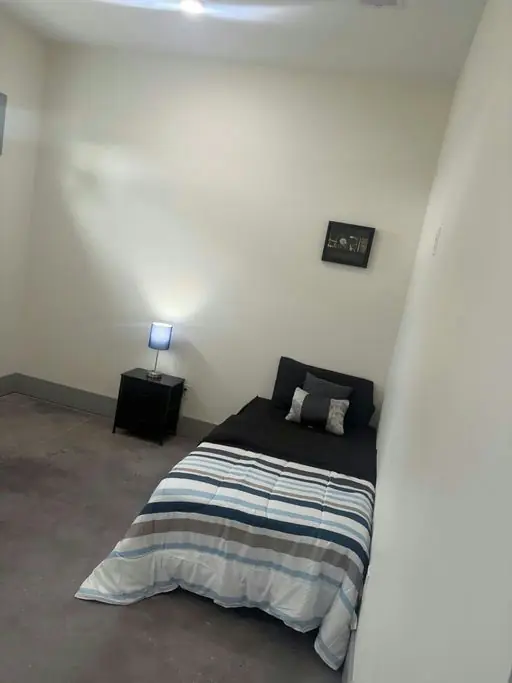
A character of discharge review or a HUD-VASH referral can take time. In the meantime, housing that doesn't depend on VA eligibility is still open to you. Many shared and transitional homes in Texas accept veterans based on income and fit, not discharge type, and VA disability compensation, Social Security, SSI, pension or wages can all count toward rent.
If you do receive VA income, our guide to renting a room on VA disability in Texas explains how providers look at it. If you've just left a shelter or program, what to do when a veteran program stay ends covers the next steps.
Apply for the review, and look for housing at the same time. Neither should wait on the other.
Thinking about a discharge upgrade?
An upgrade is a separate process handled by the Discharge Review Board or the Board for Correction of Military or Naval Records for your branch. VA's discharge upgrade page explains which board to use and what to submit. Veterans service organizations and legal aid clinics often help with these applications at no cost. An upgrade can take months, so it belongs on a parallel track with your housing search, not in front of it.
Checklist
What to have ready
- Your DD-214, or the request confirmation if you've ordered a copy
- A state ID or driver's license
- Any VA decision letters, including past denials
- Proof of any current income: VA, Social Security, pension or pay stubs
- A short note of where you've stayed over the last 30 to 60 days, which homeless programs often ask about
- Contact information for any case manager or counselor already working with you
Looking for housing while VA sorts out eligibility?
Tell us your area, your income and what you need. Homes in our network set their own admission rules, and many look at income and fit rather than discharge type.
Prefer to talk it through? Call or text (281) 949-8064.
Working with a veteran client?
Veteran-serving case managers can refer directly. Include the client's income amount and source, preferred area and any immediate housing deadline. You don't need to know their discharge type to refer.
Questions veterans ask
Can I get HUD-VASH with an other than honorable discharge?
Possibly. The FY2021 National Defense Authorization Act extended HUD-VASH eligibility to veterans with OTH discharges. You still need to meet the program's other criteria, and vouchers depend on local availability. Ask your VA medical center's homeless program or call 877-424-3838.
Is a general discharge eligible for VA benefits?
A general (under honorable conditions) discharge generally meets VA's basic character of service requirement. Individual benefits still have their own requirements, such as length of service or disability rating.
Can VA upgrade my discharge?
No. VA can decide whether your service counts as honorable for VA purposes, but only your branch's Discharge Review Board or Board for Correction of Military or Naval Records can change the discharge itself.
Will a housing provider see my discharge type?
Only if you share your DD-214 or apply through a program that requires it. Many private and shared housing providers focus on income, rental history and fit. Veteran-specific programs will usually ask for discharge paperwork.
Sources
- National Coalition for Homeless Veterans: HUD-VASH Policy Statement (May 2024)
- Federal Register: VA final rule on character of discharge bars (effective June 25, 2024)
- 38 U.S.C. 1720I: Mental and behavioral health care for certain former members with OTH discharges
- VA: Supportive Services for Veteran Families (SSVF)
- VA: How to apply for a discharge upgrade
- Expanding Housing and Support Eligibility by Veteran Discharge Status (peer-reviewed study, PMC)
Ready Rooms provides housing navigation and referral. We are not affiliated with the Department of Veterans Affairs, do not determine eligibility for VA or HUD programs and do not provide legal advice. Program rules can change; confirm current requirements with VA.