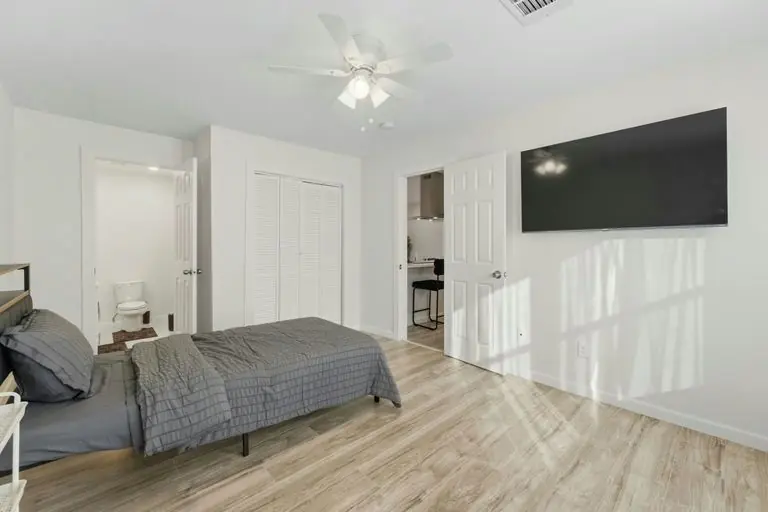
A bed in a shelter or a spot in a transitional program can be the thing that gets a veteran off the street. It's also built to end. Somewhere in the stay there's a date when the bed goes to the next person, and the question becomes: where to now?
The veterans who land well are usually the ones who start answering that question long before the date shows up. This is a practical plan for doing that.
The short answer
Start planning your next housing as early in the stay as you can, ideally by the halfway point. Work with your case manager, line up proof of income and ID, decide on an area, and apply to more than one option.
If you have steady income, like VA compensation, Social Security or a job, a furnished room in a shared home is often the fastest step from temporary to stable.
A timeline that works backward from your end date
- As soon as you can: find out your real end date.Ask your case manager what it is, whether extensions are possible, and what the program expects you to have lined up before you exit.
- Next: get your documents in one place.ID, Social Security card if you have it, DD-214, and your income letter: a VA benefit summary, a Social Security letter or pay stubs. Missing ID is the most common thing that slows a move.
- Then: know your number.What comes in each month, and what you can realistically pay for rent. If income is starting soon, find out the date and the amount.
- About a month out: apply to real options.Not one, several. Programs, subsidized housing and private options can run in parallel. Waiting on one answer is how people end up with none.
- The last two weeks: confirm the move.Move-in date, what you owe up front, what's provided, and how you're getting there with your things.
The end date is fixed. How ready you are when it arrives is not.
Use your case manager, and give them something to work with
If you're in a VA-funded program like Grant and Per Diem or working with an SSVF team, you have a case manager whose job includes helping you plan the exit. Some veterans move into permanent programs like HUD-VASH. Some move in with family. Many, especially those with steady income, move into private housing they can afford on their own.
You'll get more out of every meeting if you show up with answers: here's my income, here's where I want to live, here's what I can pay, here's my deadline. Your case manager can also send a referral to Ready Rooms directly, which keeps everyone on the same page.

From the Housing Desk
Tawanna MikkolaHousing Coordinator, Ready Rooms
How we help veterans move from a program to a home
When a veteran's stay is ending, timing is everything. A good match two weeks after the bed is gone doesn't help much. So the first things we ask are about the clock and the budget:
- Your exit date, and whether there's any flexibility.
- Your income and when it arrives, from VA, Social Security, work or a combination.
- Where you need to be, like near a VA clinic, a job or family.
- Anything that could affect a match, such as a background issue, an eviction, or a mobility need.
- Your case manager's contact, if you'd like us to coordinate with them.
We'd rather hear from you a month early than a day late. If your date is close, contact us anyway and tell us that up front.
Tawanna helps individuals and referral partners find the right housing fit. The guidance above describes how the Ready Rooms housing desk works.
More than a bed
From a temporary bed to a place that's yours
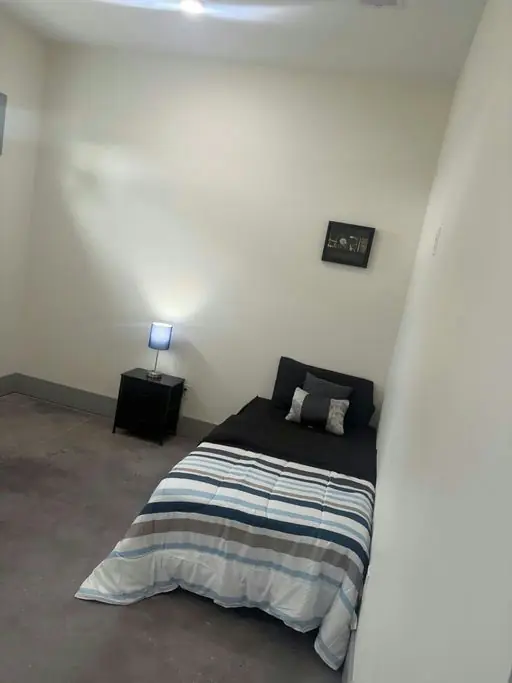
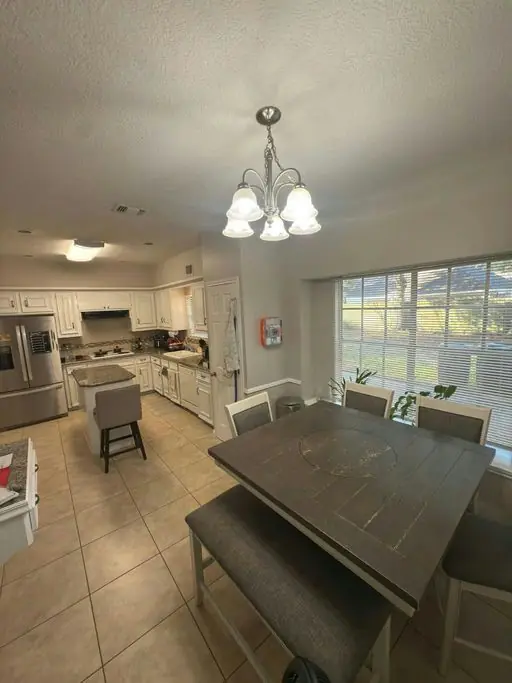
After a shelter or program, the jump to a traditional apartment can mean deposits, furniture, utility accounts and a lease in your name. A furnished room in a shared home can close that gap.
- Fully furnishedWalk in with what you have. The bed, dresser and common spaces are ready, so your first night isn't on the floor.
- Utilities includedNo deposits or accounts to set up when you're already stretched. The lights are on when you arrive.
- Meals and meal helpWhere meals or meal help are offered, that's one fewer thing to sort out in the first weeks.
- Transportation helpHelp getting to VA appointments, work or the store keeps the routine you built in the program going.
Free Wi-Fi. Stay connected to VA.gov, your case manager and job applications.Social services and support. Some homes connect residents with practical support and community resources after the program ends.
Features and services vary by home and provider.
What helps the next place stick
Getting housed is one milestone. Staying housed is the one that counts. A few things make a real difference in the first months:
- Rent that fits with room to spare. If the rent takes nearly everything, one bad month can undo the whole move.
- A due date that matches your income. Ask whether rent can be due right after your check arrives.
- Keeping your supports. Stay connected to VA care, your case manager if follow-up is offered, and the people who helped you get here.
- Knowing the house rules before you move. Surprises cause friction; clear expectations prevent it.
Have income and an end date coming?
Tell us your exit date, your income and where you need to live. We'll look across providers in our network for a room that fits, and work with your case manager if you want us to.
Prefer to talk it through? Call or text (281) 949-8064.
Case managers: refer before the exit date
GPD and SSVF case managers, VA social workers, shelter staff and outreach teams can refer directly. Include the exit date, income source and amount, preferred area, and any barriers. Referrals that arrive early give us the best chance of a move-in date that lines up with discharge.
Questions veterans ask
Can Ready Rooms help if I don't have income yet?
Our housing providers generally need rent paid, so income matters. If your income is starting soon, tell us the date and amount. If you have no income, the VA National Call Center for Homeless Veterans at 877-424-3838 can connect you with VA programs.
Is Ready Rooms part of the VA or a GPD program?
No. Ready Rooms is an independent housing navigation and referral network. We can work alongside VA programs and your case manager, but we aren't affiliated with the VA.
How soon can I move into a shared home?
It depends on the home, your documents and your income verification. Some moves happen quickly once everything is in place, which is why having your ID and income letter ready makes such a difference.
Can I keep working with my VA case manager after I move?
That depends on your program. Ask your case manager what follow-up is available. Moving into private housing doesn't change your eligibility for VA health care.
Sources
Ready Rooms provides housing navigation and referral and is not affiliated with the U.S. Department of Veterans Affairs. Housing is offered by independently operated providers in the Ready Rooms network, who make their own admission decisions.