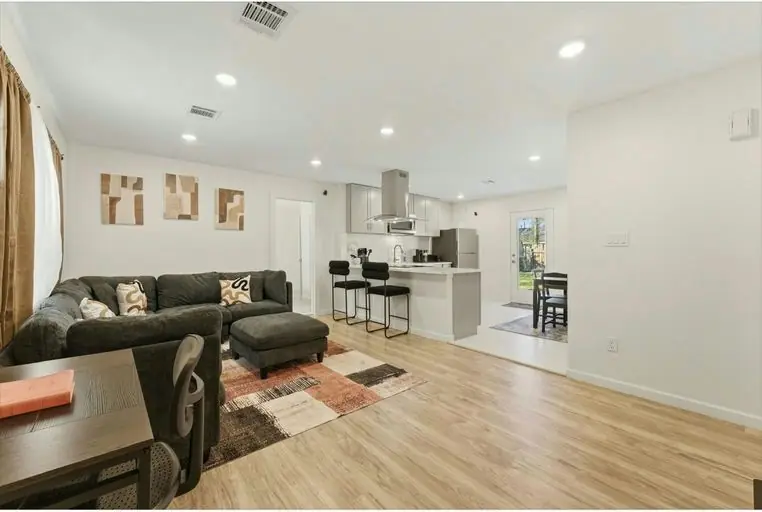
A lot of veterans say the same thing about housing: they don't need a program, they need a place. Somewhere clean and quiet, where the rent fits the check, the people respect your space, and you can get to the VA clinic without it turning into an all-day project.
For many, a room in a shared home checks those boxes better than an apartment does. This guide is about choosing that room well.
The short answer
Many shared housing providers in Texas accept VA disability compensation as income. A furnished room with utilities included can let a veteran on a fixed VA check live comfortably without apartment deposits or setup costs.
The right home is one with a stable, respectful household, reasonable access to the VA and transportation, and every cost spelled out in writing.
Is a shared home a good fit for you?
Shared housing isn't for everyone, and that's fine. Be honest with yourself about how you like to live.
It tends to work well if you
- Want a private room without the cost of a whole apartment
- Don't want to buy furniture or set up utilities
- Are comfortable sharing a kitchen and common areas with other adults
- Value having people around, even if you keep to yourself
Think it through if you
- Need complete quiet at all hours
- Have a pet that's essential to you; ask early, policies vary
- Need medical or personal care help at home
- Want a long-term lease in your own name only

Inside the Housing Network
What makes a home work for veterans
When we evaluate homes for the Ready Rooms network, the photos are the easy part. What matters for a veteran is how the house actually runs:
- Location that serves real life. Reasonable distance to a VA clinic or medical center, a pharmacy, groceries and transit.
- A household with structure. Clear house rules, a respected quiet time, and a manager who responds when something breaks.
- Respect for privacy. A door that locks, your own space for your things, and no surprises about who's coming and going.
- Straightforward money terms. Rent, what it includes, the due date and the move-out notice, all in writing.
A home that gets these right tends to be a home people stay in. That stability is what we're after.
Zioni leads partnerships, provider development and housing expansion for Ready Rooms. The guidance above describes what we look for in homes across our network.
Your VA income, and how providers verify it
VA disability compensation is a tax-free monthly payment, and it doesn't stop because you change addresses. That makes it one of the more dependable income sources a housing provider will see, and many providers in our network accept it.
Most providers will ask for proof. The document they usually want is your VA benefit summary letter, which you can download from VA.gov in a few minutes. Our guide to getting and using your VA benefit verification letter walks through it step by step, including what not to hand over.
A stable check deserves a stable home: one payment, one address, and nothing new to figure out every month.
More than a bed
The difference between a room and a home
For veterans living on VA compensation, Social Security or both, the best value is usually the arrangement that takes the most daily logistics off the table.
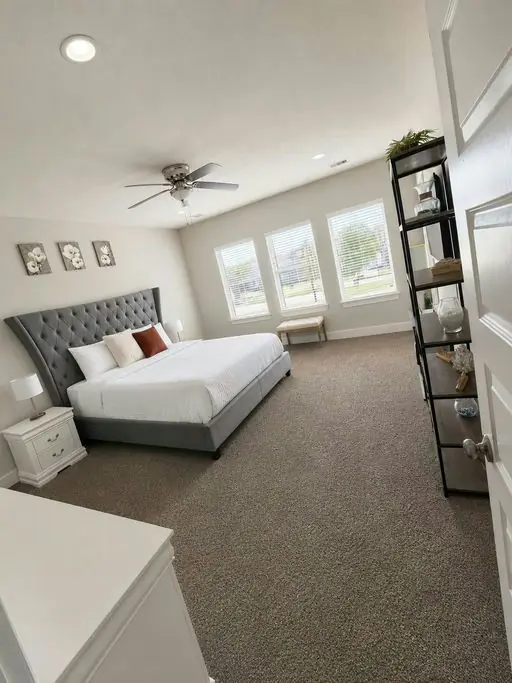
- Fully furnishedMove in with a duffel bag if that's what you've got. Bed, dresser and common areas are already set up.
- Utilities includedNo deposits, no accounts to open, no surprise bills. The VA check covers one predictable rent.
- Meals and meal helpWhere meals or meal help are offered, there's one less thing to manage and more of the check left over.
- Transportation helpHelp getting to VA appointments, the pharmacy or the store can matter as much as the room itself.
Free Wi-Fi. For VA.gov, telehealth appointments, and keeping up with claims and benefits online.Social services and support. Some homes connect residents with practical support, including help finding community and veteran resources.
Features and services vary by home and provider.
Questions to ask before you sign
Bring this to the visit
Ten questions for any shared home
- What exactly does the rent include?
- Is my room private or shared?
- Does my door lock?
- When is rent due, and can it follow my VA payment date?
- How many people live here now?
- What are the house rules, in writing?
- How are guests handled?
- How far is the nearest VA clinic or bus stop?
- What's the move-out notice period?
- Who do I call when something breaks?
Where VA programs fit
Programs like HUD-VASH, SSVF and Grant and Per Diem do important work, and if you qualify, they're worth pursuing. They also have eligibility rules, referral steps and sometimes waitlists. Plenty of veterans have steady income and simply want a good place to live now.
Ready Rooms can work alongside a VA program or completely on its own. If you want the program side explained, see veteran housing options in Texas or using VA disability income for housing.
Tell us how you want to live
Where you need to be, what you can pay, and what matters most: quiet, a private room, rides to the VA. We'll look across providers in our network for homes that fit, and handle the calls so you don't have to.
Prefer to talk it through? Call or text (281) 949-8064.
Working with a veteran who needs housing?
VA social workers, VSOs, SSVF and GPD case managers, and family members can refer directly. Share the income type and monthly amount, the preferred area or VA facility, any barriers, and a move-by date. We'll focus on homes that can realistically say yes.
Questions veterans ask
Do shared housing providers accept VA disability as income?
Many do. VA disability compensation is a steady, tax-free monthly payment, and providers in our network commonly accept it. Each provider sets its own criteria, so we match you with homes that accept your income type.
Do I have to be in a VA program to use Ready Rooms?
No. Ready Rooms isn't part of the VA. You can get matched whether or not you're enrolled in HUD-VASH, SSVF or any other program.
Can I get a private room?
Often, yes. Private rooms usually cost more than shared rooms. Tell us your preference and budget, and we'll look for both if you're flexible.
What if I also get Social Security?
Combined income is common and helpful. Have both award letters ready. Providers will usually count the total when reviewing whether the rent fits.
Sources
Ready Rooms provides housing navigation and referral and is not affiliated with the U.S. Department of Veterans Affairs. Housing is offered by independently operated providers in the Ready Rooms network, who make their own admission decisions.