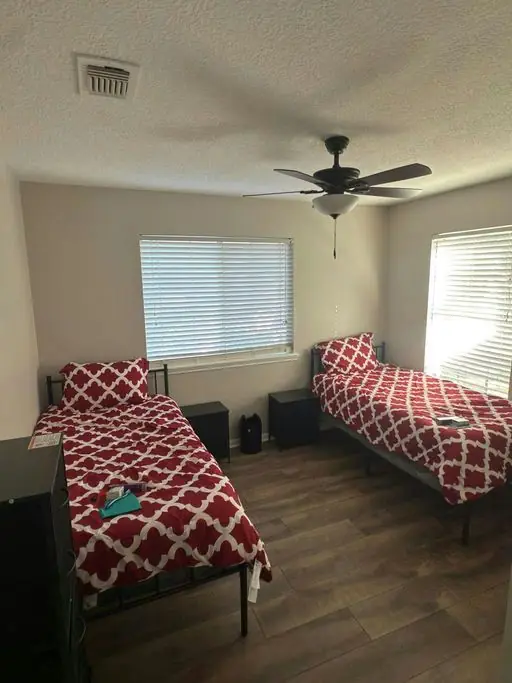
Ask an experienced shared housing operator what went wrong in their first year, and the answer is rarely the property. It's the conversation that happened after a resident had overnight guests three weekends in a row, or stopped paying for a share of the utilities, or didn't know the kitchen closed at 10. Each of those is easier when the answer is already on paper and both sides signed it.
The short answer
A shared housing resident agreement should cover rent and fees, what's included, the move-in and move-out process, house rules, guests, shared spaces, and how violations and terminations are handled. House rules should be specific, apply to everyone equally and be followed consistently.
In Texas, residents who rent a room are generally treated as tenants. Operators can't remove a resident or change the locks outside the court eviction process except in narrow situations the Property Code allows, and a home can't provide personal care to four or more unrelated residents without an assisted living license.
Agreement first, rules second
The resident agreement is the legal document. It sets rent, the term, deposits and what happens when someone leaves. House rules are the daily operating guide: quiet hours, chores, kitchen use. Keep them separate, and have the agreement say that the resident received the house rules and agrees to follow them. That way you can update a chore chart without redoing every agreement.
What the resident agreement should cover
Resident agreement
Core sections
- Parties and room: who the resident is, which room or bed, and which shared areas they can use
- Rent and fees: amount, due date, accepted payment methods, late fees and any deposit
- What's included: utilities, internet, furniture, meals or laundry, listed specifically
- Term: month-to-month or fixed, and how much notice either side must give
- Entry: when and how the operator may enter a resident's room
- House rules: a statement that rules are attached and the resident received them
- Violations: what happens after a violation, from a written warning to notice to vacate
- Move-out: room condition, return of keys, handling of belongings and the deposit refund
- Services: a clear statement of what the home does and does not provide
The last item matters more than many operators expect. If your home provides housing only, say so: residents manage their own medications and personal care, and any care comes from outside providers. That protects residents from expecting help you can't give and protects you from drifting into regulated care.
House rules that hold up
The best house rules are specific, short and enforced the same way for everyone. "Be respectful" is a value, not a rule. "Quiet hours are 10 p.m. to 7 a.m." is a rule a resident can follow and you can enforce.
Most shared homes need rules on:
- Quiet hours
- Guests: when they can visit, whether they can stay overnight and how often
- Kitchen and food: labeling, shared supplies and clean-up
- Chores and common area cleaning, with a rotation
- Smoking and vaping, and where it's allowed if at all
- Alcohol and drugs, especially in recovery-focused homes
- Parking, laundry schedules and thermostat use

Keep rules fair
Fair housing law applies to shared housing. Rules should apply equally and shouldn't single out people based on disability, race, religion, sex, familial status or other protected characteristics. Residents with disabilities can also ask for reasonable accommodations, such as an exception to a pet rule for an assistance animal, and you'll need to consider those requests. The Texas Department of Housing and Community Affairs publishes fair housing training material on how reasonable accommodation requests work.
The legal lines operators can't cross
No self-help lockouts
Texas Property Code Section 92.0081 generally prohibits a landlord from removing a tenant or changing the locks except through the court eviction process. The statute allows narrow exceptions, including a lockout for unpaid rent only if the lease permits it and specific notice requirements are followed, and even then the landlord must give the tenant a new key at any hour on request. A landlord who violates the statute can owe the tenant a civil penalty of one month's rent plus $1,000, along with actual damages, court costs and attorney's fees.
Removing a resident's belongings, cutting off utilities or simply refusing entry can also violate Texas law. When a resident must leave, use written notice and, if needed, the justice court.
Eviction rules changed in 2026
Texas Senate Bill 38, signed June 20, 2025, and revised Texas Rules of Civil Procedure changed eviction procedures for cases filed on or after January 1, 2026, including how notices may be delivered. If your current agreement predates these changes, have it reviewed.
Housing isn't care
Under Texas Health and Safety Code Section 247.002, a home that provides food and shelter to four or more unrelated people and also provides personal care services or administers medications is an assisted living facility and needs a license from Texas HHS. Some cities also require their own permits. In Houston, the Permitting Center regulates boarding homes and lodging facilities with three or more unrelated residents. Our operator guide on independent living versus assisted living covers the distinction in more depth.
Write down what your home does not do as clearly as what it does.
Consistency is the whole system
Rules work only when they're enforced consistently. Document every violation in writing, with the date and what happened. Give the same warning for the same issue, whoever the resident is. Consistent records protect you if a decision is challenged and make it easier for residents to trust the process.
Before you finalize any agreement, have a Texas real estate attorney review it. This article is general information, not legal advice.
Running a well-organized shared home?
Ready Rooms works with referral partners such as case managers, discharge planners and veteran and reentry programs to connect residents with housing providers. List your property and tell us about your rooms, rules and the residents you serve.
Questions first? Call or text (281) 949-8064.
Questions operators ask
Is a person renting a room in my house a tenant in Texas?
Generally, yes. Residents who pay rent for a room in a shared home are usually treated as tenants under the Texas Property Code, which means eviction rules apply. Situations vary, so ask an attorney about yours.
Can I lock out a resident who stops paying rent?
Only in narrow circumstances. Section 92.0081 allows a lockout for unpaid rent only if the lease permits it and specific notice rules are followed, and you must provide a new key on request at any hour. In most cases the safer path is written notice and a court eviction.
Can I require residents to follow a curfew?
Many shared and recovery homes use curfews or quiet hours. Put the rule in writing, apply it equally to every resident and consider reasonable accommodation requests from residents with disabilities.
Do I need a license to run a shared home?
A home that provides housing only usually doesn't need a state care license, though local permits may apply. If the home provides personal care or medication administration to four or more unrelated residents, it needs an assisted living license from Texas HHS.
Sources
- Texas Property Code Section 92.0081: Removal of property and exclusion of residential tenant
- American Bar Association: Texas Reshapes Eviction Procedures (SB 38 and revised Rule 510)
- Texas Health and Safety Code Chapter 247: Assisted Living Facilities
- Texas HHS: Assisted Living Facilities (ALF)
- Houston Permitting Center: Residential Facilities
- Texas Department of Housing and Community Affairs: Reasonable Accommodations and Accessibility (fair housing training)
Ready Rooms provides housing navigation and referral. This article is general information for housing operators and is not legal advice. Laws and local permit requirements change; consult a Texas attorney and your local permitting office before finalizing agreements.