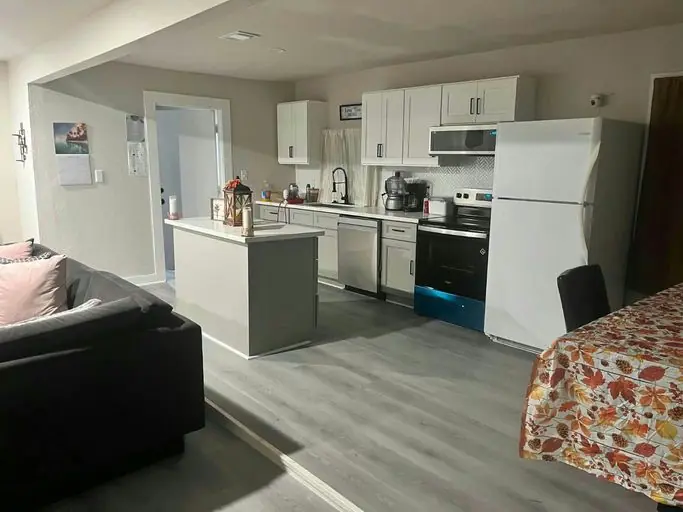
If you run a shared or residential home, you know the math of an empty bed. Every night it sits open, the rent it should be covering comes out of your margin. So the natural instinct is to chase more leads: another directory listing, another flyer, another round of calls.
Sometimes that's the answer. More often, the homes that stay full aren't the ones with the most leads. They're the ones a case manager can understand in thirty seconds, trust with a client, and reach the same day. This guide is about becoming that home.
The short answer
Group homes and residential housing programs get steady referrals by being easy to refer to. That means a clearly defined resident population, a listing with the real monthly rate, room type, what's included and current availability, fast responses when a referral arrives, and relationships with the professionals who place people: case managers, social workers, discharge planners, and reentry and veteran programs.
Lead volume helps. Clarity, accuracy and speed are what turn leads into move-ins.
Why isn't my home filling?
When a home sits half empty, the cause usually isn't that nobody needs housing. It's somewhere between the need and the move-in. The most common gaps we see in how homes are presented:
- Nobody can tell who the home is for. A listing that serves "everyone" leaves a coordinator guessing.
- The price isn't clear, or doesn't match what the likely residents can pay.
- Availability is out of date, so referral sources stop trusting it.
- Responses are slow. The person who needed a bed today found one somewhere else.
- The photos don't show a place people want to live.
None of these are character flaws. They're fixable presentation and process problems, and fixing them often does more than any new marketing channel.
An empty bed is expensive. The wrong resident in that bed can cost even more.
Don't try to be the right home for everyone
It's tempting to list every population you could possibly serve. More populations, more chances, right? In practice, it often works the other way.
If your listing says you serve seniors, veterans, reentry, recovery, mental health, IDD and anyone else who calls, the problem may not be that you're too inclusive. The problem may be that nobody can tell what your home is actually built to do well. A referral coordinator placing a 72-year-old on a fixed income and one placing a man two weeks out of prison are asking very different questions about the household they're sending someone into.
Clear positioning isn't about turning people away arbitrarily. It's about being honest regarding the household you've built, so residents land somewhere they can succeed. A few examples of how that plays out:
| Home focus | What referral sources want to know |
|---|---|
| Senior-oriented shared home | Accessibility, quiet, meals, rides to appointments, and whether the rate fits Social Security income |
| Reentry-oriented home | Which backgrounds you accept, whether the address can work for supervision, and how fast someone can move in |
| Recovery residence | Your substance-free policy, house expectations, medication policy and accreditation status |
| Supportive or personal-care setting | Exactly what help you provide, and whether your services match your licensing |
Whatever criteria you set, write them down and apply them consistently. Fair housing laws apply to housing providers, and clear written criteria protect both you and the people you serve.

Inside the Housing Network
What makes a property easier to refer to?
When a home joins the Ready Rooms network, the goal is to understand it well enough that we can match it confidently. Properties become easy to work with when we can clearly see:
- The housing model. Independent shared living, transitional, recovery, supportive, or something else, and what that means day to day.
- The ideal resident. Who thrives in this household, and who the home can't appropriately serve.
- Pricing and room configuration. Private or shared rooms, the actual monthly rate, deposits, and what's included.
- Availability. Which beds are open now, and which open soon.
- Amenities and services. Furnishings, utilities, meals, transportation, Wi-Fi and support, only what's genuinely offered.
- Barriers considered and limits. Backgrounds, evictions, income types and operational limits, stated plainly.
A home that's clear on these points doesn't have to be the biggest or the newest to be referred to often. It has to be easy to say yes to.
Zioni leads partnerships, provider development and housing expansion for Ready Rooms. The guidance above describes what we look for in homes across our network.
Make the offer easy to understand
A referral coordinator shouldn't need three phone calls just to learn what your room costs. The most effective listings answer the first round of questions before anyone picks up the phone.
What a room listing should include
The basics, in one place
- City and general area
- Private or shared room
- Actual monthly rate
- Deposit or move-in costs, if any
- What's included in the rate
- Beds open now, and when others open
- Who the home is designed for
- Income types accepted
- Barriers considered, like background or eviction
- House expectations, in plain language
- How admission works, step by step
- Who responds to referrals, and how fast
More than a bed
Residents choose homes, not beds
"Bed available" tells someone almost nothing. Where your home genuinely offers these things, say so clearly. They're often what turns a referral into a resident who stays.
- Fully furnishedPeople coming from a hospital, a program or a hard stretch often arrive with very little. A ready room lowers the barrier to saying yes.
- Utilities includedResidents on fixed incomes value one predictable payment. Included utilities make your rate easier to compare honestly.
- Meals and meal helpMeals or meal help matter a lot to older adults, people in early recovery and anyone rebuilding a budget.
- Transportation helpRides to appointments, work or supervision can decide whether a placement holds.
Free Wi-Fi. Residents need it for benefits, telehealth, job searches and family.Social services and support. Connection to practical help and community resources is a real reason referral sources choose one home over another.
Features and services vary by home and provider.
Beyond the list of features, residents and families notice the basics: a clean kitchen, comfortable common areas, privacy, a calm household and a location that works. Those are part of your offer too.
Photos matter more than most operators think
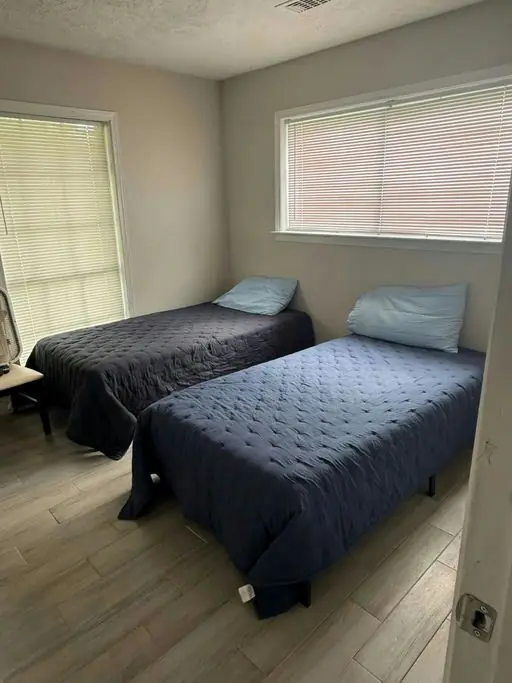
A case manager often decides whether to bring up your home based on what they can see in a minute. Clear, honest, well-lit photos make that decision easier. Show:
- A typical bedroom, made up the way a resident would find it
- Common areas: living room and dining space
- The kitchen
- A bathroom, where appropriate
- The exterior, without house numbers, plates or residents in the frame
Skip filters, wide-angle tricks and staged luxury. Accurate photos build trust; a home that looks different in person loses it fast. Never photograph residents or their belongings without permission.

Price for the person you expect to serve
There's no universal percentage of income that tells you what to charge. But there is a basic reality: your rate has to fit the budgets of the residents you're trying to reach.
For example, the maximum federal SSI payment in 2026 is $994 a month. A $900 bed doesn't become a realistic referral for someone living on SSI alone just because you're willing to accept them. They'd have almost nothing left for food, medication or transportation, and the placement is unlikely to hold. Income from SSDI, VA compensation, Social Security or work varies widely, so ask what residents actually receive rather than assuming.
When you set or review your rate, think about:
- The typical income of the residents you serve, and its source
- What your rate includes, since an all-in rate can be worth more than a lower rate plus bills
- Shared versus private room pricing
- Move-in costs, which often stop a placement before rent does
How quickly should you respond to a housing referral?
As fast as you reasonably can, ideally the same day. People looking for housing are often working against a discharge date, a release date or a place they have to leave. A referral that sits overnight may already be placed elsewhere by morning.
In the Ready Rooms network, the first response is intentionally simple: Interested or Not Interested. If you're interested, you receive the resident information they've authorized us to share, and you contact them directly. A quick "not interested" is useful too, because it lets us move the person to another option right away.
Decide quickly, but responsibly
Interested doesn't mean accepted. After you connect with someone, you still run your own admission process: a conversation, a tour, your written criteria. Admission decisions belong to you, and they should be made carefully.
The goal is to make that process predictable. Know what you need to see, tell people up front, and give an answer as soon as you have it. A clear "no" today is kinder, and more useful to the person and their case manager, than a "maybe" that drags on for a week.
Keep availability current
Nothing erodes a referral relationship faster than calling about an open bed that filled two weeks ago. If your availability is wrong a few times, professionals quietly stop calling. Update it whenever a bed opens or fills, and tell your referral partners when you expect openings, not only when you have them.

From the Housing Desk
Tawanna MikkolaHousing Coordinator, Ready Rooms
What makes it easier to match someone to your home?
On the referral side, we're usually holding a real person's situation: their budget, their timeline, their barriers and where they need to live. When a home's information is complete and current, our housing desk doesn't have to guess about:
- Budget fit: whether the rate and move-in costs work for this person's income.
- Room availability: whether a bed is actually open, and what kind.
- Resident population: whether this person fits the household you've built.
- Barriers: whether their background, eviction or credit history is something you consider.
- Move timing: how quickly someone could move in.
- Funding: whether you accept their income source.
- Household fit: house expectations, quiet hours and how residents live together.
Every question we can answer from your information is one less delay between a referral and a move-in.
Tawanna helps individuals and referral partners find the right housing fit. The guidance above describes how the Ready Rooms housing desk works.
Build relationships with referral professionals
Most residents in shared and supportive housing arrive through someone who's helping them: a hospital social worker, a case manager, a discharge planner, a reentry or veteran program, a community organization. These professionals refer repeatedly to homes they trust.
Trust gets built the old-fashioned way:
- Introduce yourself with a clear one-page description of your home and who it serves.
- Invite them to tour.
- Respond fast when they call, even when the answer is no.
- Keep them updated on openings.
- Follow through on what you said the home would provide.
No organization is obligated to refer to any home, and relationships take time. But a home that's consistently clear, honest and responsive tends to become the one people call first.
Track what happens to every referral
You don't need complicated software. You do need to know where referrals go. A simple log with these stages will show you where placements fall apart:
- Referral receivedDate, source and the person's basic situation.
- Contact madeWhen you reached them, and how long it took.
- Tour or interviewWhether it happened, and how it went.
- DecisionAccepted or declined, by you or by them.
- Move-in or not placedAnd, most importantly, the reason.
If most referrals stall at contact, response time is the problem. If they stall at the decision, look at price or fit. If people tour and say no, look at the home itself. The reasons tell you what to fix.
Referral-ready checklist
Is your home easy to refer to?
- We can describe who the home is for in one sentence
- Our services match our licensing and how we describe the home
- Our listing shows the real rate, room type and what's included
- Availability is accurate this week
- Our photos are current and honest
- Someone responds to referrals the same day
- Our admission criteria are written down and applied consistently
- We track every referral and why it did or didn't move in
Where Ready Rooms fits
Ready Rooms is a Texas housing navigation and referral network. We work with case managers, social workers, discharge planners, reentry and veteran programs, families and people looking for housing, and we match them with providers in our network. Participating in the Ready Rooms Housing Network is free. We don't charge application, listing, referral, tour or placement fees, and we can't promise any home will be full by a certain date. What we can do is help your home become clear, current and easy to refer to.
 I already operate housing and have vacancies
Get a Property Referral Assessment
Tell us about your property, open beds, rate and who the home serves. We'll take a first look at how it may fit referral needs. Free, no obligation.
Fill your beds →
I'm ready to join
Join the Ready Rooms Housing Network
Apply to list your home with the network so referral professionals and housing seekers can find it.
Join the network →
I already operate housing and have vacancies
Get a Property Referral Assessment
Tell us about your property, open beds, rate and who the home serves. We'll take a first look at how it may fit referral needs. Free, no obligation.
Fill your beds →
I'm ready to join
Join the Ready Rooms Housing Network
Apply to list your home with the network so referral professionals and housing seekers can find it.
Join the network →
 I'm starting or expanding a housing operation
Start a Group Home
Work through your housing model, target population, pricing and referral positioning with Zioni and the Ready Rooms team.
Get a launch assessment →
I'm starting or expanding a housing operation
Start a Group Home
Work through your housing model, target population, pricing and referral positioning with Zioni and the Ready Rooms team.
Get a launch assessment →
Need more hands-on help, like property development, acquisition or operations support? Ready Rooms also offers Professional Services, arranged separately by written agreement and never required to join the network.
Questions operators ask
How do group homes get referrals?
Mostly through professionals who help people find housing: case managers, social workers, discharge planners, and reentry, recovery and veteran programs, plus families and housing seekers searching on their own. Homes that are clearly positioned, accurately listed and quick to respond get referred to more often.
Should a housing provider accept every population?
Not necessarily. A home built for a specific household, and honest about who it can serve well, is often easier to refer to than one that claims to serve everyone. Whatever criteria you use, write them down and apply them consistently.
Does it cost anything to join the Ready Rooms network?
No. Network participation is free, with no application, listing, referral, tour or placement fees. Professional Services are separate and only by written agreement.
Can Ready Rooms guarantee my beds will be filled?
No. Referrals depend on fit, timing and need, and providers make their own admission decisions. We focus on matching the right residents to homes that suit them.
Sources
- Texas Health and Safety Code, Chapter 247 (Assisted Living Facilities)
- Texas Health and Safety Code, Chapter 260 (Boarding Home Facilities)
- Texas Health and Safety Code, Chapter 469 (Voluntary Accreditation of Recovery Housing)
- Texas HHS: What Is HCS?
- Social Security Administration: SSI Federal Payment Amounts for 2026
Ready Rooms provides housing navigation and referral. Homes in the Ready Rooms network are independently operated, and each provider is responsible for its own admission decisions, services and regulatory compliance. This article is general information, not legal advice.