Most treatment programs have a discharge date on the calendar from early on. What a lot of people don't have, even a week before that date, is an address. Going back to the same apartment, the same roommate or the same block can feel like the only option. It usually isn't.
Where you live after treatment shapes your days: who's around, what's in the house, how easy it is to get to meetings or outpatient care. That's worth planning as carefully as the treatment itself.
The short answer
Start your housing plan two to three weeks before discharge if you can. Your main options are usually a recovery residence (sober living), a substance-free shared home, or returning to family.
Choose the setting with the structure you need, a substance-free policy in writing, and practical access to your continuing care, then confirm the move-in date before your last day.
Three common paths after treatment
| Option | What it is | Often a fit when |
|---|---|---|
| Recovery residence (sober living) | A substance-free home with house rules and peer accountability, sometimes with required meetings or testing | You want built-in structure and people in recovery around you |
| Substance-free shared home | A room in a shared home where the household expects a substance-free environment, with less formal structure | You want stability and a calm house, with your recovery supports outside the home |
| Returning to family | Moving back in with relatives or a partner | The home is supportive, substance-free and not tied to old patterns |
None of these is treatment. If you still need clinical care, like outpatient therapy, medication or counseling, that continues with your treatment providers. Housing is the place that care happens around. For more on the terms, see sober living vs. transitional housing vs. group home.

From the Housing Desk
Tawanna MikkolaHousing Coordinator, Ready Rooms
Why we ask for your discharge date first
When someone in treatment reaches out to Ready Rooms, the discharge date drives everything. A great home that opens two weeks after you leave doesn't help if there's nowhere safe to go in between. These details help us move quickly:
- Your discharge date and how firm it is.
- The kind of setting you want: more structure or less, and anything your counselor recommends.
- Your income and budget, including when your first payment will be available.
- Your continuing care, like outpatient appointments or medications, so location and house policies fit.
- Anything that might affect a match, such as a background issue or a past eviction.
With your permission, we can also coordinate with your counselor or discharge planner so nobody's working from a different plan.
Tawanna helps individuals and referral partners find the right housing fit. The guidance above describes how the Ready Rooms housing desk works.
Before your last day
- Two to three weeks out: decide what you need.Talk with your counselor about structure, location and what to avoid. Be honest about the places and people that put recovery at risk.
- Two weeks out: apply.Contact homes or get matched. Ask about rent, what's included, house rules and medication policies.
- One week out: confirm in writing.Move-in date, move-in costs, and what you need to bring, including ID and income proof.
- Discharge day: know how you're getting there.A ride straight from treatment to the new home avoids the risky in-between hours.

Inside the Housing Network
What a recovery-supportive home looks like
Plenty of houses call themselves recovery-friendly. When we evaluate homes for the Ready Rooms network, we look for the things that actually support someone in early recovery:
- A substance-free policy that's written down, and a clear, fair process if someone uses.
- Clarity on prescribed medications, including medications for opioid use disorder. Ask before you move, not after.
- Rhythm and expectations, like house meetings, chores and quiet hours, so the days have shape.
- A location that works for continuing care, with reasonable access to outpatient programs, meetings and transit.
In Texas, accreditation of recovery houses is voluntary. If a home says it's accredited, check the accreditor's directory yourself. Our recovery housing guide explains how that works.
Zioni leads partnerships, provider development and housing expansion for Ready Rooms. The guidance above describes what we look for in homes across our network.
More than a bed
Practical support for the first months out
Early recovery is easier when the basics take care of themselves. The less you have to scramble for, the more energy goes to the work that matters.
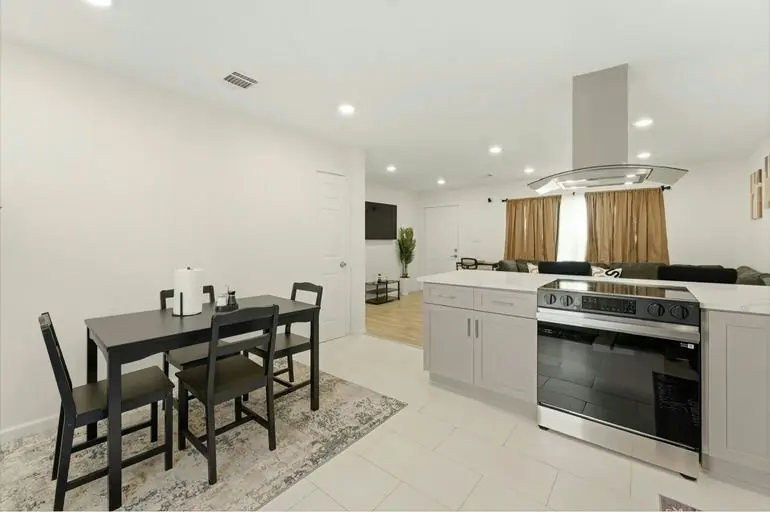
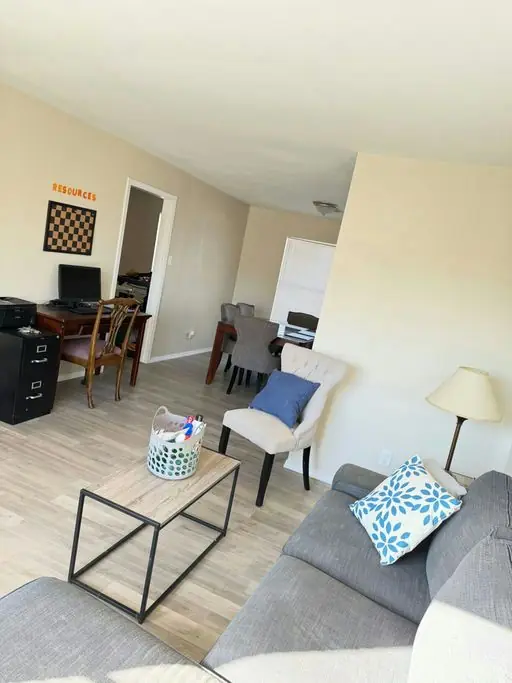
- Fully furnishedLeave treatment and walk into a ready room, without buying furniture or going back to collect things from an old place.
- Utilities includedOne predictable rent, no accounts to set up, and no bills piling up while you focus on recovery.
- Meals and meal helpWhere meals or meal help are offered, regular eating gets simpler, and regular routines are part of staying well.
- Transportation helpHelp getting to outpatient appointments, meetings or work keeps continuing care from slipping.
Free Wi-Fi. For telehealth sessions, online meetings, job searches and staying in touch with supports.Social services and support. Some homes connect residents with practical support and community resources.
Features and services vary by home and provider.
Before you sign
Questions to ask any home
- Is the home substance-free, and how is that handled?
- What happens after a relapse?
- Are my prescribed medications allowed?
- Are meetings, work or a curfew required?
- What does rent include?
- What's due before move-in?
- Can I see the house rules in writing?
- Is any rent refunded if I have to leave?
Be cautious of anyone offering free rent, cash or gifts in exchange for enrolling in a particular treatment program.
Leaving treatment soon?
Tell us your discharge date, the setting you're looking for and your budget. We'll look across providers in our network for a recovery-supportive home that's ready when you are.
Prefer to talk it through? Call or text (281) 949-8064.
Discharge planners and counselors
Treatment discharge planners, counselors, peer specialists and case managers can refer directly. Include the discharge date, the level of structure recommended, income source, and any medication or location needs. Early referrals give us the best chance at a move-in date that lines up with discharge.
Questions people ask
Does Ready Rooms provide treatment or detox?
No. Ready Rooms is a housing navigation and referral network. We don't provide treatment, detox or clinical care, and we don't operate recovery residences. If you need treatment, the SAMHSA National Helpline at 1-800-662-4357 is free, confidential and available 24/7.
Can I go to sober living if I take medication for opioid use disorder?
Policies vary by home. Some welcome prescribed medications, others don't. Always ask before you move in, and tell us up front so we only match you with homes that fit.
How soon should I start looking before discharge?
Two to three weeks is a good target. That gives you time to compare options, confirm costs and lock in a move-in date that lines up with your last day.
What if my discharge date changes?
Tell the home and tell us as soon as you know. Many providers can adjust if they hear early. Last-minute changes are harder to absorb.
Sources
Ready Rooms provides housing navigation and referral and does not provide treatment, detox, clinical services or recovery residence operation. Housing is offered by independently operated providers in the Ready Rooms network, who make their own admission decisions.