
Families tend to reach this point after a long stretch of trying. Your brother has been on your couch for eight months. Your daughter's roommate situation ended badly. Your father's diagnosis makes living alone feel risky. You love them, and you also know the current arrangement isn't working for anyone.
Finding housing for an adult who lives with a mental health condition is part logistics and part relationship. This guide covers both.
The short answer
Start with the person, not the property. An adult living with mental illness has the right to make their own housing choices, and plans they help shape are the ones that last.
Look for a calm, stable home with clear expectations, a manageable household size and easy access to their care. Shared housing in a quieter home often fits better than living alone or in a busy apartment complex.
First, whose decision is it?
Unless a court has appointed a guardian, an adult makes their own decisions about where to live, even when family disagrees. That can be hard to accept when you're worried. It's also the most practical starting point, because a move someone didn't choose is a move that often doesn't last.
What usually works better:
- Ask what they want. Privacy? Quiet? Being near a sibling, a clinic or a bus line? Their answers are your search criteria.
- Offer to do the legwork. Researching, calling and touring are where families help most.
- Let them decide between real options. Two or three good choices beat one you pushed for.

From the Housing Desk
Tawanna MikkolaHousing Coordinator, Ready Rooms
How families can help us help them
At Ready Rooms, we work with the adult who needs housing, and with family when that person wants family involved. They'll need to agree to the referral and to sharing their information with providers. Families are often the reason a match happens quickly, because they can help pull these details together:
- Income and source, such as SSI, SSDI, work or family support, with the award letter if possible.
- The area that makes sense, especially near their doctor, clinic or pharmacy.
- The kind of household they'd do best in: quiet, small, private room, or more structure.
- Anything that could affect a match, like a past eviction, a background issue, or a pet.
- How quickly they need to move, and where they're staying until then.
We don't need medical records or a diagnosis to start. We need to understand what kind of home will work.
Tawanna helps individuals and referral partners find the right housing fit. The guidance above describes how the Ready Rooms housing desk works.
Match the setting to the person
There's no single "mental health housing." There's a range of settings, and the right one depends on how your family member manages day to day.
A shared home may fit if they
- Handle their own daily care and medications
- Do better with people around but their own room
- Have care in place, or are willing to connect with it
- Want independence without the cost of an apartment
More support may be needed if they
- Need help managing medications or daily tasks
- Have had repeated crises recently
- Need ongoing supervision to stay safe
- Are stepping down from a hospital stay without a plan yet
If more support is needed, start with their treatment team or the local mental health authority. Our guide to housing structure and support levels explains the range.

Inside the Housing Network
What makes a home easier to live in
For residents managing a mental health condition, the details of a household can matter as much as the room. These are the things we pay attention to across homes in our network:
- Household size and pace. Fewer residents and a calmer rhythm often mean fewer daily stressors.
- Clear, consistent expectations. Written house rules and a responsive manager reduce conflict and uncertainty.
- A private space when possible. A room to retreat to can make shared living sustainable.
- Access to care. Reasonable distance to their clinic, pharmacy and transportation.
The best fit is a home where your family member can settle into a routine and stay.
Zioni leads partnerships, provider development and housing expansion for Ready Rooms. The guidance above describes what we look for in homes across our network.
More than a bed
Fewer daily stressors, more room for stability
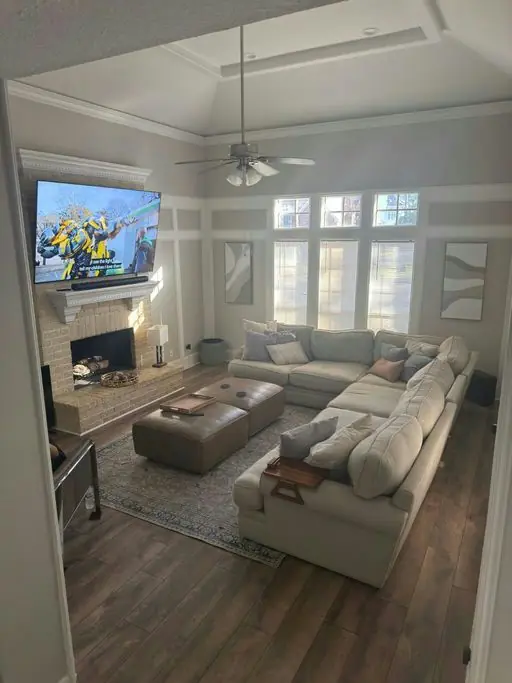
Stable housing supports stable days. When the practical things are handled, there's more energy for routines, appointments and relationships.
- Fully furnishedA room that's ready on day one means no shopping, no assembling and no half-empty space to fill.
- Utilities includedNo separate bills to manage or forget, and no shutoff notices adding stress.
- Meals and meal helpWhere meals or meal help are offered, regular eating is easier, which supports the routines that help many people stay well.
- Transportation helpHelp getting to appointments and the pharmacy keeps care on track when driving or transit is a challenge.
Free Wi-Fi. For telehealth sessions, staying in touch with family and managing benefits online.Social services and support. Some homes connect residents with practical support and community resources.
Features and services vary by home and provider.
Where mental health care comes from
Housing and care are separate, and it helps to keep them that way in your mind. A shared home provides a place to live. Treatment, therapy, medication and crisis support come from health care providers.
In Texas, the Health and Human Services Commission contracts with local mental health authorities and local behavioral health authorities that serve every county. They offer services for adults, including crisis lines, and can be a starting point if your family member isn't connected to care yet. You can find yours through the HHSC directory listed below.
Visiting a home together
What to notice and ask
- Does the house feel calm and clean?
- How many people live here?
- Is there a private room available?
- Are the house rules written down?
- How are conflicts between residents handled?
- What does rent include?
- How far is their clinic or pharmacy?
- Can family visit, and when?
Help them find a place that's theirs
Together, tell us where they want to live, what they can afford and what kind of household would suit them. We'll look across providers in our network for homes that fit, and keep the family in the loop when they want you there.
Prefer to talk it through? Call or text (281) 949-8064.
Referring someone with mental health needs?
Hospital social workers, local mental health authority case managers, peer specialists and therapists can refer directly with the person's consent. Include income, preferred area, any barriers, and the level of independence they have day to day.
Questions families ask
Can I refer my adult child or sibling for housing?
Yes, with their agreement. You can start the conversation and help gather information. We'll need the person to consent to the referral and to sharing their information with providers.
Does Ready Rooms provide mental health treatment?
No. Ready Rooms is a housing navigation and referral network. We don't provide psychiatric care, therapy or crisis services. Care comes from your family member's health care providers or local mental health authority.
Do housing providers need to know a diagnosis?
Generally, no. What helps is understanding how someone manages day to day and what kind of household would suit them. Share only what your family member is comfortable sharing.
What if they need more help than a shared home provides?
Then a different setting may be safer. Their treatment team or local mental health authority can help assess that. We'll tell you honestly if a shared home doesn't look like the right fit.
Sources
Ready Rooms provides housing navigation and referral and does not provide medical, psychiatric or crisis services. Housing is offered by independently operated providers in the Ready Rooms network, who make their own admission decisions.