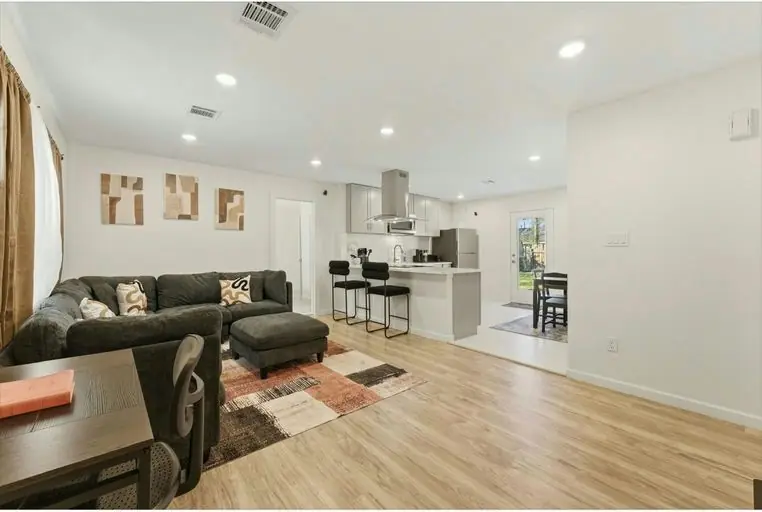
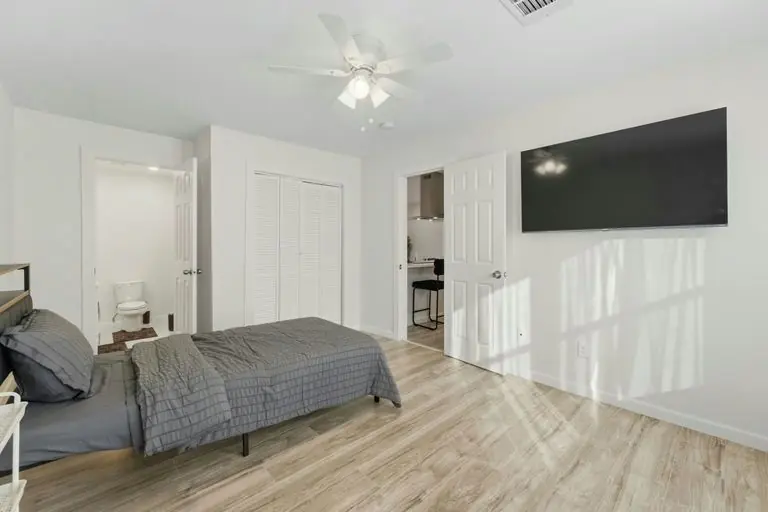
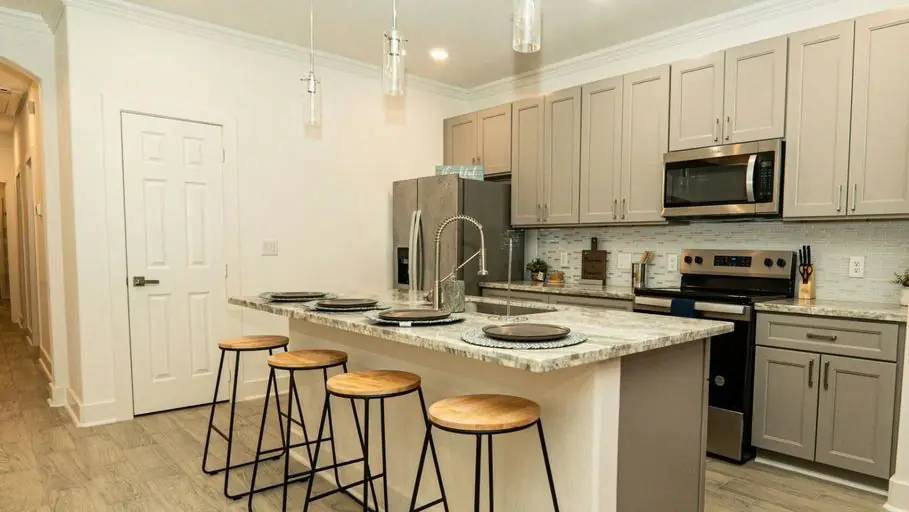
Quiet residential street in Texas
Justice-Involved Housing · Statewide Texas

Housing for Registered Sex Offenders in Texas

This is one of the hardest housing searches to run - many providers, cities, and landlords won't consider it at all. Ready Rooms works with an independent network of Texas housing providers who have reported their willingness to consider applicants with a sex-offense history, and can identify options on a case-by-case basis for people required to register, and the parole officers, probation officers, and case managers referring them.

Straight answer

Can Ready Rooms help someone required to register as a sex offender?

Sometimes, on a case-by-case basis - not automatically, and not for every registrant. As of September 2026, of Ready Rooms' statewide network of housing providers reporting on applicants with a sex-offense history (68 of 69), 12 (18%) said Yes unconditionally, 18 (26%) said case-by-case, and 38 (56%) said No. That's meaningfully lower acceptance than Ready Rooms sees for felony backgrounds generally, and it means a real share of searches won't produce a match. Importantly, this data reflects provider willingness to consider a sex-offense history as a category - it is not the same as confirmed acceptance of someone currently required to register, which depends on registry tier, supervision status, offense specifics, and a provider's proximity to schools or children, none of which this figure captures. Ready Rooms will tell you plainly if nothing in the current network fits rather than sending a referral a provider will reject.

Why this search is different

This is a harder search than most reentry housing, and Ready Rooms says so up front.

Registration status carries restrictions that a general felony or misdemeanor background does not. State registration requirements, local residency ordinances that vary by city and county, and supervision conditions can all narrow where someone is legally and practically able to live - sometimes independent of whether a housing provider itself would be willing to accept the person. Ready Rooms cannot resolve those legal restrictions; it can only work within them, alongside the person and their supervising officer, to identify housing providers who have reported their own willingness to consider applicants with a sex-offense history - a related but distinct question from whether a given property can lawfully and practically accommodate someone currently required to register, which depends on registry tier, supervision terms, and local restrictions this data does not capture.

Ready Rooms does not guarantee that it can house every registrant, and does not guarantee provider or supervision approval for any specific address. Housing providers make their own final acceptance decisions, and any residence is still subject to parole/probation approval and applicable local restrictions where those apply.

Ready Rooms Texas Justice-Involved Housing Snapshot

Real provider acceptance data, not a promise.

Statewide Ready Rooms provider network, as of September 12, 2026. Reported as Yes / Case-by-case / No, since "case-by-case" is a materially different answer than an unconditional yes. See Methodology below.

Accepts applicants with a sex-offense historyN = 68 of 69 providers reporting
12 18 38
Yes - 12 (18%)Case-by-case - 18 (26%)No - 38 (56%)

Combined, 44% of reporting providers indicated Yes or Case-by-case for applicants with a sex-offense history - well under Ready Rooms' 91% combined acceptance figure for felony backgrounds generally (see Reentry Housing in Texas). This does not mean 44% accept people currently required to register as sex offenders. Ready Rooms' provider data tracks whether a provider will consider a sex-offense history at all, not registry status, supervision conditions, offense tier, or proximity to schools and children - each of which a provider may still weigh separately for a currently-registered applicant. Ready Rooms is evaluating a dedicated "Accepts Registered Sex Offenders" provider field (Yes / Case by case / No / Not provided) to capture that distinction directly; until that exists, treat this figure as a starting point, not a registry-specific placement rate.

What shapes where someone can live

State registration, local restrictions, and supervision conditions - three separate layers.

State registration (Chapter 62)

Texas Code of Criminal Procedure Chapter 62 sets statewide sex-offender registration requirements, including keeping a current address on file with local law enforcement. Registration itself is a state requirement independent of any specific city's rules.

Local residency restrictions vary by city

Many Texas cities and counties have their own ordinances restricting where a registrant may live - commonly near schools, parks, playgrounds, or child-safety zones. These rules differ by location, change over time, and Ready Rooms does not verify compliance with every local ordinance for a given address; the registrant, their attorney, and their supervising officer are responsible for confirming this.

Parole / probation residence approval

If someone is on parole, mandatory supervision, or probation, the supervising officer typically must approve the specific residence before move-in, separate from and in addition to registration and local ordinance compliance. Ready Rooms cannot substitute for or guarantee that approval.

Electronic monitoring, if applicable

Some supervision terms include electronic monitoring, which can affect what an approved residence needs to support (power, connectivity, household cooperation). If this applies, disclose it in the referral so it can be checked against a provider's actual setup rather than discovered after move-in.

This is general information, not legal advice. For questions about registration requirements, local ordinances, or supervision conditions, contact the applicable registering agency, city/county, or supervising officer directly.

How Ready Rooms helps

One submission, checked against providers already reviewed for this specific question.

1

Disclose registrant status up front
Along with any supervision conditions, timeline, funding, and other barriers. This isn't optional - it's what makes the match real instead of wasted time.

2

Same-day review
Submissions received during business hours are reviewed the same day.

3

Checked against confirmed acceptance, not a generic list
Ready Rooms checks the person's situation against providers who have specifically reported their acceptance of a sex-offense history - Yes, case-by-case, or excluded outright - then reviews registry, supervision, and location specifics individually.

4

Honest outcome, either way
If a real option exists in the current network, Ready Rooms makes the referral. If it doesn't, Ready Rooms says so rather than sending a referral a provider will reject.

Before you submit

What to have ready.

  • Registration status and, if known, which registry tier or offense category applies
  • Supervision status - parole, mandatory supervision, probation, or none - and supervising officer contact if applicable
  • Any residency restrictions already identified by the supervising officer or registering agency
  • Electronic monitoring requirements, if any
  • Funding source (SSI, SSDI, employment, family support, other) and approximate timeline
  • Any other barriers - additional criminal history, evictions, broken leases, limited income

Who this is for

People required to register, and the professionals supervising or referring them.

People required to register

Searching directly for housing that will consider registrant status.

Parole & probation officers

Identifying housing options for review as part of a client's supervision plan.

Reentry coordinators

Case managers at reentry programs looking for realistic options for this specific population.

Family members

Submitting a referral on behalf of a family member who is required to register.

Scope & limits

What Ready Rooms is - and isn't.

Ready Rooms is a housing navigation and referral organization, not a supervision agency, a treatment provider, or a legal authority on registration or residency law. It doesn't make registration determinations, doesn't set or enforce residency restrictions, and doesn't make parole/probation approval decisions. Independent housing providers in the network set their own admission decisions - reported acceptance of a sex-offense history as a category doesn't guarantee approval for any specific applicant, and providers may decline based on registry status, supervision conditions, or reasons unrelated to registration.

For questions about registration requirements, local residency ordinances, or supervision conditions, contact the applicable registering agency, city or county, or supervising officer directly.

Related guides

Frequently asked

Housing for registered sex offenders in Texas, answered.

Can Ready Rooms help someone required to register as a sex offender?

Sometimes, on a case-by-case basis. As of September 2026, 44% of Ready Rooms' statewide network (68 of 69 reporting) indicated Yes or Case-by-case for applicants with a sex-offense history (18% Yes, 26% Case-by-case, 56% No). That figure reflects willingness to consider a sex-offense history as a category - it does not confirm acceptance of someone currently required to register, which also depends on registry tier, supervision status, and location. This is meaningfully lower acceptance than Ready Rooms sees for felony backgrounds generally, and Ready Rooms cannot promise a match for every registrant.

Can a sex offender live anywhere in Texas?

No. Registered sex offenders in Texas are subject to state registration requirements under Texas Code of Criminal Procedure Chapter 62, and many Texas cities and counties have their own local ordinances restricting where a registrant may live - commonly near schools, parks, playgrounds, or other places children gather. These rules vary significantly by city and county and change over time. Ready Rooms does not verify compliance with every local ordinance and cannot guarantee a given address is legally permissible - that's the registrant's, their supervising officer's, and their attorney's responsibility.

Does parole have to approve the residence?

For anyone on parole, mandatory supervision, or probation, yes - the supervising officer typically must approve a residence before move-in as a condition of supervision. Ready Rooms can help identify options for review, but the supervising officer makes the final residence-approval decision.

Can someone with a felony qualify for Ready Rooms housing?

Often, yes. Separately from sex-offense-specific acceptance, Ready Rooms' statewide network reports much higher flexibility on felony backgrounds generally - see Reentry Housing in Texas for that data. A felony conviction alone does not disqualify someone from Ready Rooms housing navigation.

Can someone with an eviction and criminal history still be placed?

Possibly. Ready Rooms works with combined barriers - criminal history, evictions, broken leases, and limited or no income - rather than requiring a clean record on every category. Disclosing every barrier up front, including registrant status, leads to a faster, more realistic match.

Can a case manager, parole officer, or family member refer someone?

Yes. Ready Rooms accepts professional referrals from parole and probation officers, reentry coordinators, case managers, and family members submitting on someone's behalf. See the Texas Housing Referral Guide for what to include, and disclose registrant status up front.

Does Ready Rooms guarantee placement?

No. Ready Rooms identifies potential housing options and makes referrals; independent housing providers make their own final acceptance decisions, and supervising officers make their own residence-approval decisions. Nothing here is a promise that Ready Rooms accepts or can place every registrant.

Ready to look for housing?

Disclose the full situation, including registrant status - the faster and more completely Ready Rooms hears it, the faster it can tell you what's realistic.